



When we talk about health, most people immediately think of exercise, diet, or physical checkups. While these are important, our mental health is just as essential as physical health—and in many cases, the two are deeply connected. A strong mind supports a strong body, while poor mental health can impact everything from our energy levels to our immune system.
Unfortunately, mental health is often surrounded by stigma. Many people hesitate to talk about stress, anxiety, or depression out of fear of being judged. But just like we seek medical help for a fever or an injury, caring for our emotional and psychological well-being should be a normal part of life.
Prioritizing mental health care means taking time for self-awareness, practicing daily habits that reduce stress, and reaching out for support when needed. It’s not a weakness—it’s self-respect and strength. By reducing stigma and embracing open conversations, we create a healthier environment where everyone feels safe to care for their minds as much as their bodies.
Why Mental Health Care Matters

Taking care of your mental health is not just about feeling good—it directly influences your overall well-being and daily life. When your mind is healthy, you’re better able to manage emotions, make clear decisions, and cope with challenges that come your way. On the other hand, neglecting mental health can lead to constant stress, low motivation, and even physical health problems over time.
A healthy mind also improves the quality of relationships. When you’re emotionally balanced, it becomes easier to communicate, show empathy, and build stronger connections with family, friends, or coworkers. This positive ripple effect often extends to work performance and focus, helping you stay productive and creative throughout the day.
Perhaps one of the most important reasons to prioritize mental health care is prevention. By managing stress, practicing self-care, and seeking help early, you can reduce the risk of burnout, anxiety, or depression. Long-term, it even lowers the chances of chronic issues like high blood pressure or heart disease that are often linked to unmanaged stress.
In short, caring for your mental health is an investment in your future. It builds resilience, supports happiness, and gives you the tools to face life’s challenges with confidence and strength.
Simple Mental Health Care Practices
Taking care of your mind doesn’t always require huge lifestyle changes. Small, consistent habits can make a big difference in reducing stress, improving mood, and building resilience. Here are some easy practices you can start today:
Daily Self-Check-In
Taking just a few minutes each day to journal or reflect on your emotions helps you become more self-aware. Writing down thoughts can clear your mind, reduce stress, and help identify patterns that may need attention.
Regular Exercise
Movement isn’t just for physical fitness—it plays a vital role in boosting mood by releasing endorphins. Even short walks, stretching, or home workouts can reduce anxiety and improve mental clarity.
Healthy Sleep Habits
Aim for 7–9 hours of quality rest each night. Good sleep allows your brain to recharge, improves focus, and lowers the risk of mood disorders. Setting a bedtime routine (like avoiding screens before bed) makes a big difference.
Balanced Nutrition
The food you eat directly affects brain function. Incorporating foods rich in omega-3s, leafy greens, fruits, and whole grains supports mental health and helps stabilize energy levels throughout the day.
Mindfulness & Meditation
Simple practices like deep breathing, yoga, or using guided meditation apps can reduce stress and bring calmness. Just 10 minutes a day can help you feel more centered and in control.
Limit Screen Time & Social Media
While technology connects us, too much scrolling can cause overwhelm, comparison, and stress. Setting healthy limits ensures more time for real-life connections and activities that bring joy.
Stay Connected
Human connection is essential for emotional well-being. Talking with trusted family or friends, joining support groups, or even seeking professional counseling can help you feel supported and understood.
You may also like to read these posts:
10 Best Healthy Diet Tips for a Stronger Body & Mind
Weight Loss Motivation: 7 Tips to Stay Inspired Daily
Effective Skincare & Beauty Hacks for Everyday Radiance
Best Morning Fitness Routine for Energy & Focus
When to Seek Professional Help
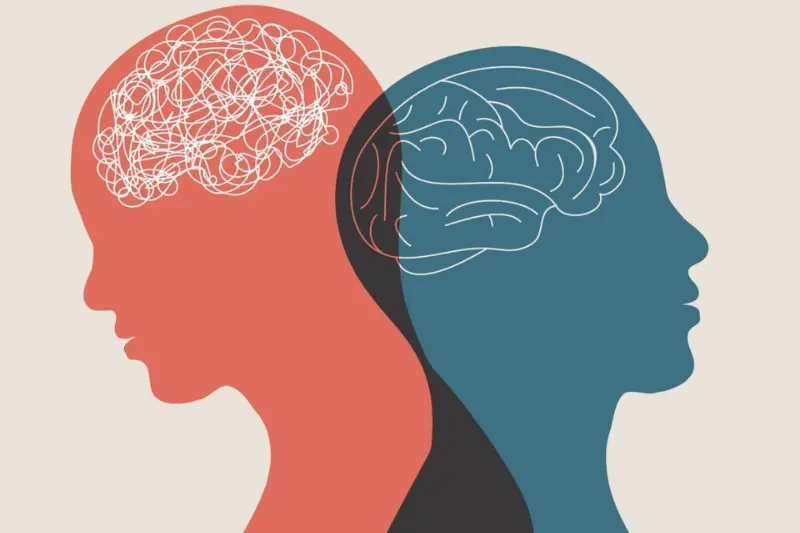
Mental health is just as important as physical health, and sometimes self-care alone isn’t enough. Recognizing the right time to seek professional support can make recovery faster and easier.
Signs You May Need Therapy or Counseling
If you notice persistent feelings of sadness, hopelessness, anxiety, or loss of interest in activities you once enjoyed, it may be time to talk to a professional. Other signs include:
- Trouble sleeping or sleeping too much
- Difficulty focusing on daily tasks
- Withdrawing from family and friends
- Struggling with anger, mood swings, or overwhelming stress
Importance of Early Intervention
The earlier you seek help, the easier it is to manage symptoms and prevent them from getting worse. Early support reduces the risk of long-term health issues and improves overall quality of life.
Role of Mental Health Professionals
Different professionals provide different types of care:
- Psychologists help with therapy, coping strategies, and emotional support.
- Psychiatrists can diagnose conditions and prescribe medication if needed.
- Counselors/Therapists provide a safe space to talk, heal, and build healthy coping mechanisms.
Common Mistakes to Avoid in Mental Health Care
Taking care of your mental health requires awareness and the right approach. Many people unknowingly make mistakes that delay healing and worsen stress. Avoiding these common pitfalls can make your journey smoother.
Ignoring Symptoms or Bottling Up Emotions
Pretending everything is fine or suppressing emotions can lead to anxiety, depression, and burnout. Acknowledging your feelings is the first step toward healing.
Self-Diagnosing Without Guidance
Relying only on internet searches or assuming a diagnosis can be misleading and harmful. Always consult a qualified professional for accurate advice and treatment.
Overworking Without Rest
Pushing yourself beyond limits without proper rest or relaxation often results in exhaustion. Balance is essential for both mental and physical well-being.
Thinking Therapy is “Only for the Weak”
One of the biggest misconceptions is that therapy is a sign of weakness. In reality, seeking professional support shows strength, courage, and commitment to personal growth.
Frequently Asked Questions (FAQs) About Mental Health Care
Why is mental health care important?
Mental health care is just as vital as physical health because it affects how we think, feel, and behave. Good mental health improves relationships, work performance, and overall quality of life.
How can I take care of my mental health daily?
Simple practices like journaling, meditation, exercise, eating healthy, and staying connected with loved ones help maintain good mental health.
When should I see a professional for mental health?
If you feel constant sadness, anxiety, loss of interest, or daily functioning becomes difficult, it’s time to consult a therapist or counselor. Early help prevents long-term issues.
Is therapy only for people with serious problems?
No. Therapy is for anyone who wants to improve self-awareness, manage stress, or deal with life challenges. It’s a tool for growth, not just crisis management.
Is therapy only for people with serious problems?
Yes. Healthy sleep, nutrition, exercise, and limiting screen time can significantly reduce stress and boost mood. Small consistent changes make a big difference.
Conclusion
Mental health care is not a luxury—it’s a necessity. Just as we look after our physical health, taking care of our mind and emotions is equally important for a balanced life. Small daily practices like mindfulness, journaling, and staying connected with loved ones can make a huge difference.
Most importantly, remember that seeking professional help is a sign of strength, not weakness. Prioritizing your mental well-being means investing in your overall happiness, relationships, and success. Start today with simple steps and build a healthier, more peaceful future for yourself.


